
Do Conservatories Need Foundations?
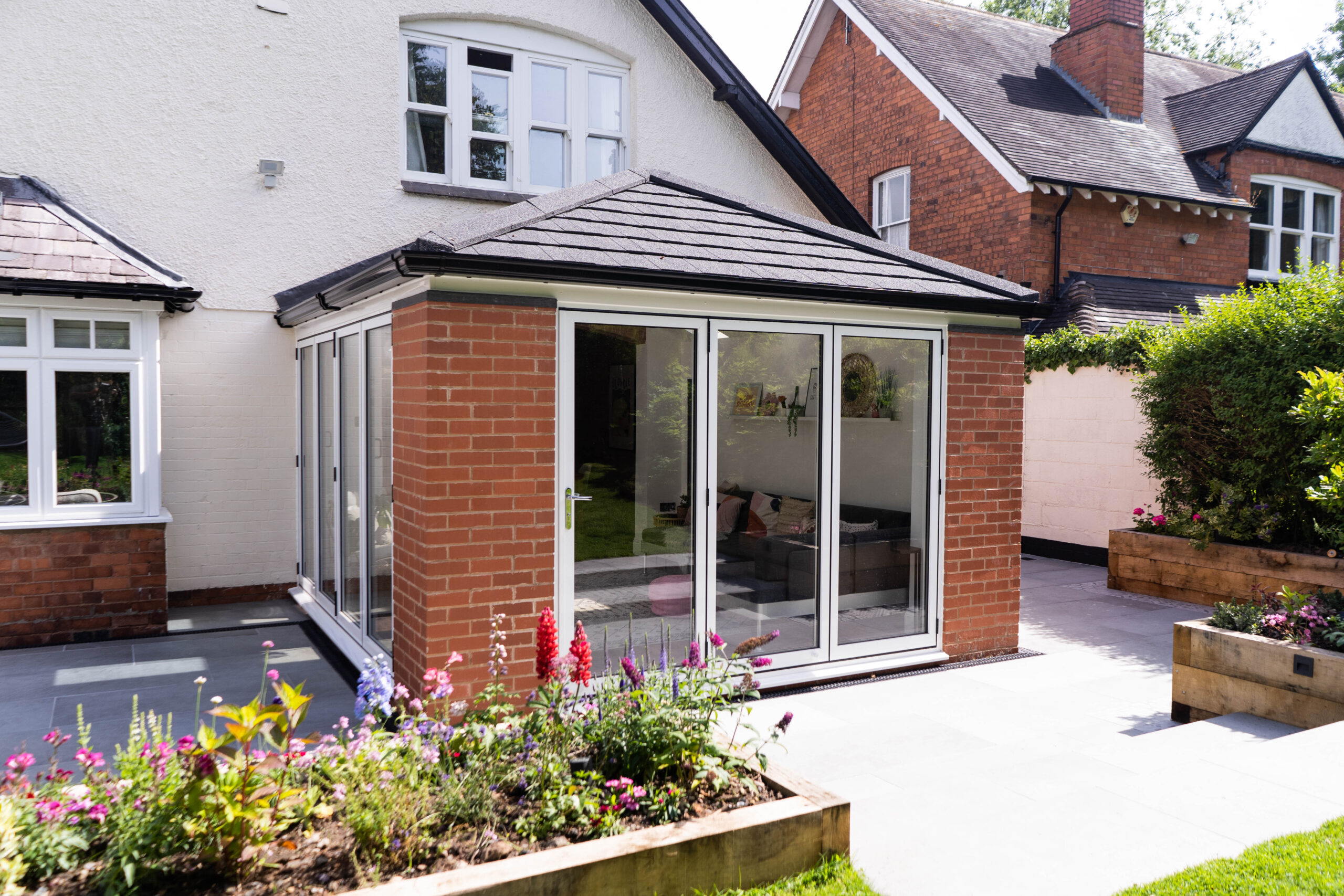
If you’re planning a new conservatory for your home, it’s easy to get caught up in the exciting parts first… Imagining cosy winter mornings with a coffee in hand; family gatherings in a bright open space; or a garden room that finally gives you the extra breathing room your home has been missing.
But before the glazing, roof style and finishing touches come into place, there’s an essential question that needs answering: does a conservatory need foundations?
The short answer is yes!
Like any permanent structure attached to your home, a conservatory foundation provides the strength and stability needed to support the build safely over time. Without proper foundations for a conservatory, you could face structural movement, cracks, drainage problems and expensive repairs further down the line.
But fear not, that’s why West Midlands Double Glazing & Conservatories, a trusted, reputable local home improvements company, are here to explain everything you need to know about conservatory footings, conservatory foundation requirements, building regulations and the groundwork that can affect your project.
What Are Conservatory Foundations?

Whether you’re in the early planning stages or ready to start building, understanding the importance of strong foundations can help you make informed decisions from the very beginning. So, what are conservatory foundations?
Conservatory foundations are the structural base that supports the entire weight of the conservatory. They sit beneath the ground and help distribute the load evenly into the soil below.
Much like the foundations of your home, conservatory foundations are designed to prevent movement, sinking and instability over time.
What Are Conservatory Footings?
When people talk about conservatory footings, they usually refer to the concrete base poured into trenches below ground level before the walls are built.
These footings create a secure platform for the conservatory to sit on and help protect the structure against shifting soil, moisture movement, and changing weather conditions.
How Important Are Conservatory Foundations?
While it can be tempting to think of conservatories as “lightweight extensions” – and therefore don’t need substantial support underneath – even smaller conservatories carry significant weight once you factor in the frames, glazing, roof system, flooring, furniture and daily use.
That’s why conservatory foundations are one of the most important parts of the entire build. While they may not be visible once construction is complete, they play a critical role in the long-term safety and durability of your new space.
Poorly designed or shallow conservatory foundations can lead to:
- Subsidence
- Uneven floors
- Cracked walls
- Sticking doors
- Leaks around the frames
In severe cases, structural movement can compromise the conservatory altogether. That’s why professional installers, such as West Midlands Double Glazing, always assess the ground conditions carefully before work begins.
How Deep Should Conservatory Footings Be?
One of the most common questions homeowners ask is about conservatory footings depth. The required depth can vary depending on factors such as soil type, nearby trees, drainage systems, and the size of the conservatory itself.
In many cases, conservatory footings are typically dug to a depth of at least 600mm to 1,000mm.
However, some sites may require much deeper foundations if the ground conditions are more challenging. For example, clay-heavy soil or properties located near large trees may need deeper foundations to reduce the risk of ground movement caused by changing moisture levels.
Building regulations and local authority guidance can also influence the required conservatory footings depth, which is why it’s so important that a proper site assessment is conducted before construction begins.
What Are The Different Types Of Conservatory Foundations?
It’s good to note that not all conservatory foundations are the same. The best option will depend on the ground conditions, the size of the structure and the specific requirements of the site.
Strip Foundations
Strip foundations are one of the most common choices for conservatories. These involve digging continuous trenches beneath the load-bearing walls and filling them with concrete.
Strip foundations for a conservatory are often suitable for stable ground conditions and provide strong, reliable support for standard conservatory builds.
Piled Foundations
Piled foundations are used when the ground near the surface is not stable enough to support the conservatory safely. Deep piles are driven or drilled into stronger ground below, allowing the weight of the conservatory to transfer to more stable soil layers.
This type of conservatory foundation is often recommended for sites with poor soil conditions, areas affected by subsidence or locations close to large trees.
Trench Fill Foundations
Trench fill foundations are similar to strip foundations but use a much larger volume of concrete to fill the trench almost entirely. This approach can reduce the amount of brickwork needed below ground level and may speed up parts of the construction process.
These conservatory footings can be particularly useful where ground stability needs additional reinforcement.
Raft Foundations
Raft foundations spread the weight of the conservatory across a large reinforced concrete slab. Instead of concentrating the load into narrow trenches, the entire structure sits on one solid platform.
Raft foundations for a conservatory are sometimes used on softer ground, where spreading the load more evenly can help reduce movement.
What Are Building Regulations For Conservatory Foundations?
Building regulations exist to ensure that conservatories are built safely and meet appropriate structural standards. Even if your conservatory project seems relatively straightforward, the foundations still need to comply with regulations relating to structural stability and ground conditions.
In many cases, conservatories that are separated from the main house by external-grade doors may be exempt from some building regulations requirements. However, the conservatory foundation itself still needs to be suitable for supporting the structure safely.
Building inspectors may assess conservatory footings depth, foundation design, drainage considerations and the impact of nearby trees or soil conditions. Professional installers, such as West Midlands Double Glazing, will usually manage this process and ensure that the conservatory foundation complies with all relevant regulations.
Do You Need Planning Permission For Conservatory Foundations?
In many cases, no – conservatories can be built under permitted development rights, meaning formal planning permission may not be required. However, this depends on factors such as the size of the conservatory, its height and how close it is to neighbouring boundaries.
Even when planning permission is not required, the conservatory foundation and overall build still need to meet relevant building standards. It’s always worth checking with your local authority or working with an experienced local installer who can guide you through the process.
Can You Have a “No-Foundation” Conservatory?
Some homeowners wonder whether it’s possible to build a no-foundation conservatory, particularly for smaller garden rooms or lightweight structures.
In reality, most permanent conservatories still require some form of conservatory foundation to ensure structural stability and compliance with safety standards. Even modular or lightweight systems generally rely on a stable base beneath them.
While there are temporary garden structures that can sit on alternative base systems, a conservatory attached to your home should always have properly designed foundations and conservatory footings.
What Groundwork Can Affect Building Conservatory Foundations?
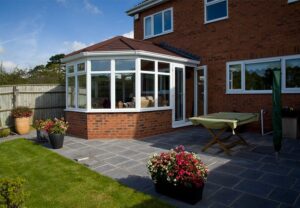
Ground conditions play a huge role in determining the type and depth of foundations for a conservatory. This is because what lies beneath the surface can significantly affect how stable the structure will be over time.
Some of the most common issues that can affect conservatory foundations include:
- Clay Soil: Clay soil expands when wet and shrinks during dry periods, so this movement can place stress on conservatory foundations and increase the risk of cracking or subsidence. Properties built on clay soil often require deeper conservatory footings to improve stability.
- Mixed Soil: Mixed soil conditions can create uneven support beneath the conservatory foundation. If one area of ground moves differently from another, it can lead to differential settlement and structural movement.
- Reclaimed Soil: Reclaimed or previously disturbed ground may not provide reliable support for a conservatory foundation. In these situations, additional groundwork or specialist foundation solutions may be necessary.
- Trees & Root Systems: Trees located near the conservatory can affect moisture levels in the soil and contribute to ground movement. Large root systems may also interfere with conservatory footings.
Conservatory Foundations FAQs
What’s The Difference Between Conservatory Foundations And Footings?
The terms are often used interchangeably, but there is a slight difference.
Conservatory footings usually refer specifically to the concrete base poured into trenches below ground level, while conservatory foundations is the broader term that includes the entire structural support system beneath the conservatory.
Can You Build Conservatory Foundations Over Drains And Sewers?
It is sometimes possible to build conservatory foundations near or over drains and sewers, but this requires careful planning and approval from the relevant water authority.
Special foundation designs or bridging solutions may be needed to avoid placing excessive pressure on underground pipes. A professional site survey can help identify any drainage systems before construction begins.
Can Conservatory Foundations Add Value To Your Home?
In short, yes – a properly constructed conservatory foundation also helps protect your investment.
A conservatory is designed to become a lasting part of your home, so you want it to remain stable and comfortable for years to come, not become a source of ongoing maintenance problems.
Can You Underpin A Conservatory?
Yes, underpinning is sometimes used to strengthen or repair an existing conservatory foundation that has become unstable. This process involves extending or reinforcing the existing foundations to improve structural support.
Underpinning can be complex and should always be carried out by experienced professionals following a detailed structural assessment.
How Much Do Conservatory Foundations Cost?
The cost of a conservatory foundation can vary significantly depending on the size of the conservatory, the type of foundation required, soil conditions, access to the site and whether additional groundwork is needed.
Standard strip foundations for a conservatory are often more affordable than specialist solutions such as piled foundations. However, difficult ground conditions or drainage complications can increase costs.
In short, it’s best to have an assessment conducted by a specialist, like West Midlands Double Glazing & Conservatories.
Ready to Build Your Conservatory?

One of the most important aspects of conservatory foundations is putting your trust in a reputable home improvement company to complete the work.
Here at West Midlands Double Glazing & Conservatories, we work seamlessly to provide all the materials and labour you’d require to produce a high-quality finish to your home.
With over 150 positive Google reviews, here at West Midlands Double Glazing, we’ve built a reputation as one of the most reliable and customer-focused companies in the region. We also offer a variety of financing options, including buy-now-pay-later plans, and, at the time of writing, we’re the only provider in the West Midlands to offer financing terms of up to 20 years for conservatory projects.
Reach out today to get a FREE quote and learn how we can transform your dream home into a reality.