
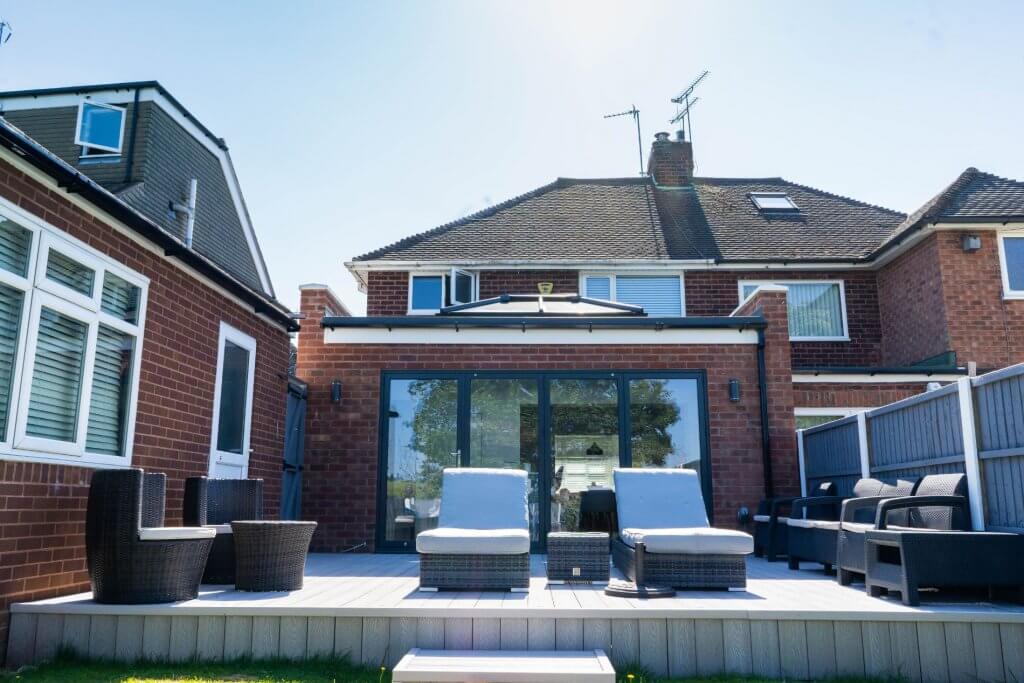
Do Orangeries Need Foundations?
When you’re planning an orangery, there’s an important question to consider: do orangeries need foundations?
The simple answer is yes. Without suitable foundations, an orangery can be vulnerable to movement, cracking, drainage issues and costly structural problems in the future.
At West Midlands Double Glazing & Conservatories, we think it’s important to understand every stage of the construction process. That’s why, in this guide, we’ll explain why orangery foundations matter, how they’re designed, what building regulations may apply and the factors that can influence the groundwork required for your project. Let’s get straight into it!
What Are Orangery Foundations?
Foundations are the structural base that supports the entire orangery.
Located below ground level, foundations transfer the structure’s weight safely into the soil beneath. Their purpose is to create a stable platform that prevents settlement, movement and structural damage over time.
Because orangeries are typically heavier than conservatories – due to their increased use of brickwork and solid construction elements – foundations often play an even more important role in the overall build.
A properly designed foundation helps ensure your orangery remains secure, level and structurally sound throughout changing weather conditions and seasonal ground movement.
Why Are Foundations So Important For An Orangery?

Many people can view an orangery as an extension of their home rather than a separate garden room, and with good reason. They can be transformed into numerous types of rooms and spaces, and modern orangeries often feature:
- Brick columns and cavity walls
- Insulated roofing systems
- Roof lanterns
- High-performance glazing
- Tiled or engineered flooring
- Integrated heating and electrical systems
All of these elements add significant weight to the structure. Without adequate foundations, the orangery could experience:
- Subsidence
- Cracked brickwork
- Uneven flooring
- Doors and windows that become difficult to open
- Water ingress issues
- Structural movement over time
Although foundations are hidden once construction is complete, they are arguably the most important part of the entire project.
How Deep Should Orangery Foundations Be?
Short answer? It depends. There isn’t a single answer that applies to every property!
The depth of an orangery foundation depends on a variety of factors, including:
- Soil type
- Ground stability
- Nearby trees and root systems
- Existing drainage infrastructure
- The size and weight of the orangery
In many cases, foundations are excavated to depths between 600mm and 1,000mm. However, certain sites may require considerably deeper foundations to comply with structural requirements.
For example, homes built on shrinkable clay soils often require deeper footings because the ground expands and contracts as moisture levels change throughout the year.
A professional site assessment will determine the most suitable foundation depth for your specific project.
What Are Orangery Footings?
The terms “footings” and “foundations” are often used interchangeably, but they aren’t exactly the same thing.
Footings are the concrete sections installed within excavated trenches beneath the walls of the orangery. They form part of the wider foundation system and help distribute the building’s load evenly across the ground.
Think of footings as the first structural layer upon which the rest of the foundation is built!
Strong footings help protect the orangery against movement caused by soil conditions, weather changes and long-term settlement.
Types Of Foundations Used For Orangeries

Every property is different, so the most suitable foundation solution will depend on site-specific conditions.
Strip Foundations
Strip foundations are one of the most commonly used options for orangery construction.
A continuous trench is excavated beneath the load-bearing walls and filled with concrete, creating a stable base.
This type of foundation is often suitable for properties with good ground conditions and provides reliable long-term support.
Trench Fill Foundations
Trench fill foundations follow a similar principle to strip foundations, but involve filling much more of the trench with concrete.
Because less brickwork is required below ground level, this method can sometimes simplify construction and improve stability in certain ground conditions.
Raft Foundations
Raft foundations consist of a reinforced concrete slab that spans the entire footprint of the orangery.
Rather than concentrating weight into specific trenches, the load is spread evenly across a larger area.
This approach can be beneficial on softer or less consistent ground where load distribution is particularly important.
Piled Foundations
Where soil near the surface lacks sufficient strength, piled foundations may be recommended.
This system uses deep piles driven or drilled into stronger ground layers below, allowing the structure’s weight to be supported by more stable soil.
Piled foundations are often used in areas affected by previous subsidence, poor ground conditions or significant nearby tree growth.
Do Building Regulations Apply To Orangery Foundations?

In many cases, yes. Because an orangery is generally considered a more substantial structure than a traditional conservatory, building regulations are often more relevant, and may cover:
- Structural stability
- Foundation design
- Thermal performance
- Drainage considerations
- Electrical work
- Glazing safety standards
Working with an experienced installer – like us here at West Midlands Double Glazing & Conservatories – can help ensure compliance throughout the project.
Do You Need Planning Permission For An Orangery?
Many orangeries can be built under permitted development rights, meaning formal planning permission may not be required.
However, eligibility depends on several factors, including:
- The overall size of the extension
- Its height
- Its proximity to neighbouring properties
- Whether the property is located within a conservation area
- Whether the home is listed
Even where planning permission is not required, the orangery must still be built on suitable foundations and comply with applicable building regulations.
Learn more about whether you need planning permission for an orangery from our dedicated guide.
What Ground Conditions Can Affect Orangery Foundations?
The ground beneath your property plays a major role in determining the type of foundation required. Some of the most common issues that can affect orangery foundations include:
- Clay Soil: Clay-rich ground expands when wet and contracts during dry periods. This movement can place stress on foundations over time, often requiring deeper excavation.
- Made Ground or Reclaimed Land: Ground that has previously been disturbed or built upon can present challenges because it may not offer consistent support. Additional engineering solutions are sometimes required to ensure stability.
- Mixed Ground Conditions: Where different soil types exist across the footprint of the orangery, uneven settlement can occur if foundations are not designed appropriately.
- Trees and Roots: Large trees can influence moisture levels in surrounding soil and cause seasonal ground movement. Root systems may also affect excavation work and foundation design.
- Existing Drainage Systems: Underground drains and sewers often need careful consideration during the planning stage. Special foundation arrangements may be necessary to avoid placing excessive loads on pipework.
Can An Orangery Be Built Without Foundations?
For a permanent orangery attached to a property, proper foundations are essential.
While some lightweight garden structures can sit on alternative base systems, an orangery is designed to function as a long-term extension of the home.
Given the weight of the walls, glazing, roof system and internal finishes, foundations are critical for ensuring safety, performance and longevity.
Attempting to construct an orangery without suitable foundations could lead to serious structural issues and may fail to meet building standards.
Orangery Foundations FAQs

Can Foundations Affect The Lifespan Of An Orangery?
Definitely!
A well-constructed foundation helps prevent structural movement and protects the integrity of the entire building. Investing in quality groundwork from the outset can significantly extend the lifespan of your orangery.
Can An Orangery Be Built Over Existing Drains?
In some situations, yes.
However, approval may be required from the relevant water authority, and specialist foundation solutions may be necessary to prevent damage to underground services.
Can An Orangery Increase Property Value?
Many people choose an orangery not only for the additional living space but also for its potential to enhance property appeal.
A professionally built orangery with properly designed foundations can become a valuable and desirable feature of the home.
Can Existing Orangery Foundations Be Strengthened?
If structural movement occurs, underpinning may sometimes be used to reinforce existing foundations.
This is a specialist process that should only be carried out following a detailed structural assessment by qualified professionals.
How Much Do Orangery Foundations Cost?
Foundation costs vary depending on several factors, including:
- The size of the orangery
- Ground conditions
- Foundation type
- Site access
- Drainage considerations
- Additional excavation requirements
Standard strip foundations are generally more cost-effective than specialist systems such as piled foundations, but every project is unique.
A professional site survey is the best way to determine the likely costs for your property.
Ready To Build Your Orangery?

Strong foundations provide the stability needed to support your orangery and ensure your new living space remains comfortable, secure and structurally sound for years to come.
At West Midlands Double Glazing & Conservatories, we manage every stage of the process, from initial design and groundwork through to installation and finishing touches.
With a reputation built on quality workmanship, outstanding customer service and decades of experience, we’re here to help bring your vision to life.
Get in touch today for a FREE quote and discover how a beautifully designed orangery could transform your home.