
Do You Need Planning Permission For An Orangery?
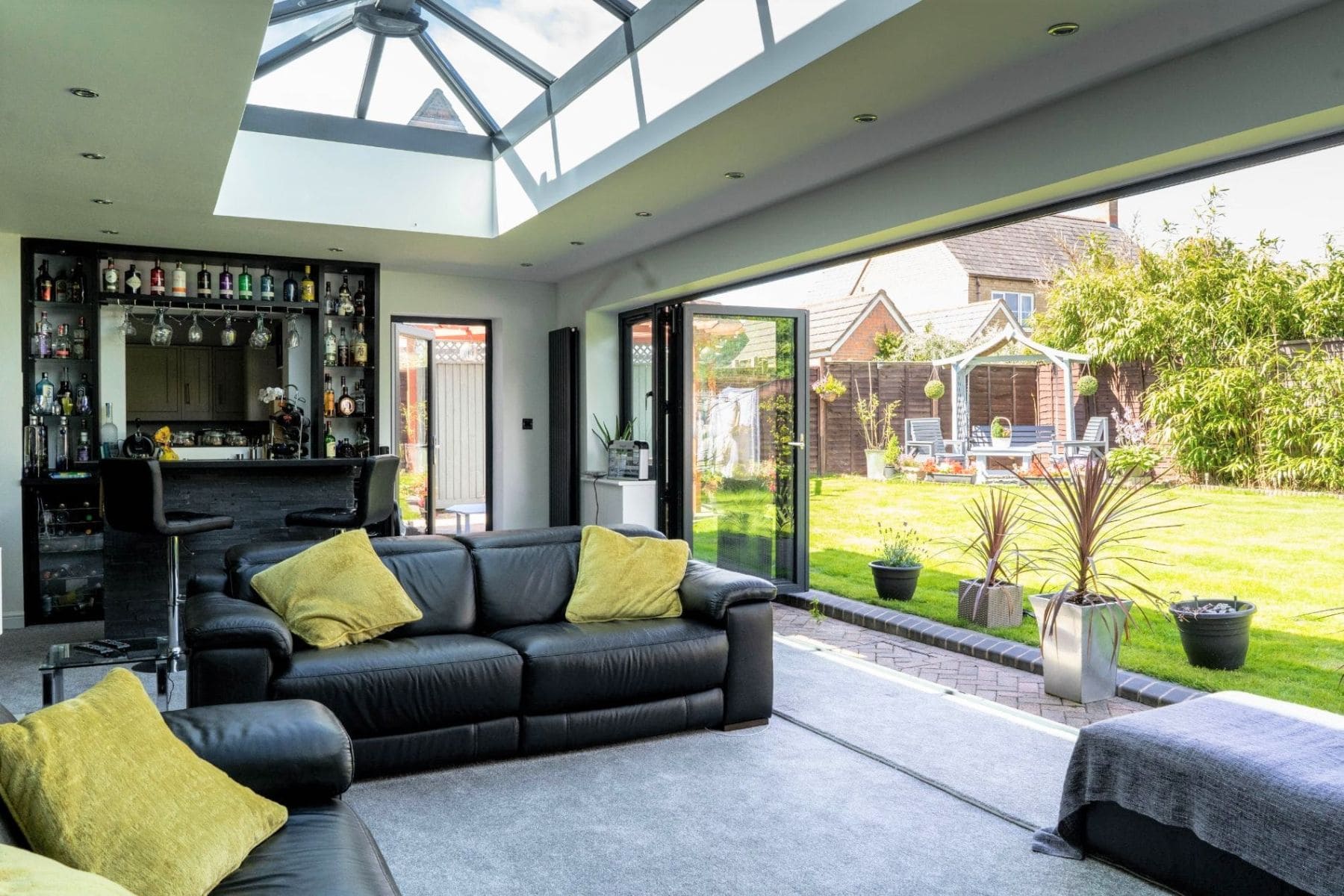
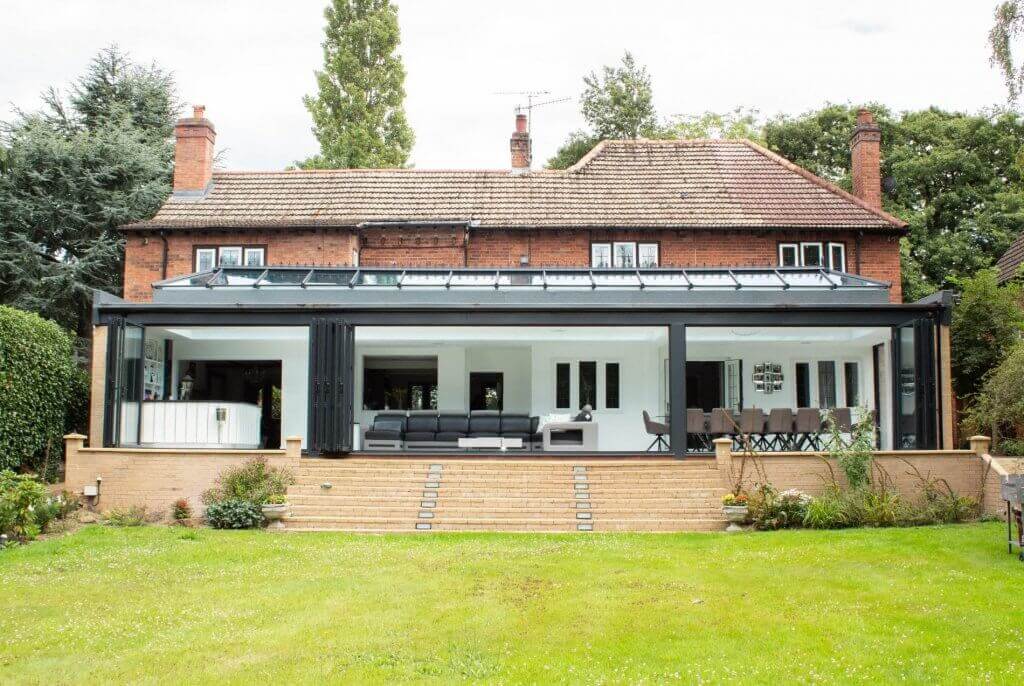
Orangeries make for a beautiful extension option for any home. They have become an increasingly popular renovation in the Birmingham and West Midlands areas, and it’s easy to see why! An orangery creates a very picturesque additional living space which can be flooded with natural light; a perfect room for relaxing, dining or a number of other customisable purposes.
Orangery extensions and garden rooms can completely transform the look of your property and because of that, queries regarding planning permission arise. In fact, one of the most frequent questions we get asked at West Midlands Double Glazing is, “Do I need planning permission for an orangery?”
This is a very important question because, if you choose to build an orangery without having obtained the relevant and necessary permissions, the following could occur:
- You could be forced to demolish your orangery at your own expense (if it doesn’t adhere to regulations)
- If you wish to sell your property in the future, the sale could fall through as a result of not having the correct planning permissions or building regulations approval
- You could face a fine of up to £5000
With this in mind, it’s far better to be safe than sorry! The ramifications in the long-term if you don’t attain the correct permissions could have a significant financial impact.
There is a lot of information to read up on when going down the rabbit hole of planning permission for an orangery. It can be overwhelming and confusing at times, which is why the WMDG team have created this handy guide for your convenience!
So, if you’re still unsure about anything after reading this blog, contact the WMDG team today and we’ll be more than happy to provide our years of experience and expertise. Also, if you’d like to have a gander at the orangeries or conservatories we’ve had the pleasure of creating, feel free to do so!
Orangery Planning Permission Lingo You Need To Know
Firstly, let’s familiarise ourselves with some of the important lingo you may come across when researching planning permission for orangeries:
- Planning Permission – Planning seeks to guide the way towns, cities and the countryside develop. This includes the use of land & buildings, their appearance, landscaping considerations, highway access and the environmental impact that the development has. If you’re planning on making significant changes to your property, you will most likely need planning permission.
- Permitted Developments/Permitted Development Rights – Permitted development rights are essentially a scheme created by the government that allows you to extend/renovate your home without needing to apply for planning permission. However, certain conditions still have to be met (more on this later!).
- Building Regulations – Home improvement projects that require structural changes or extensive alterations must comply with building regulations. These standards ensure that the health and safety of a property’s inhabitants are protected. This is separate from planning permission.
Planning Permission For Orangeries In 2026
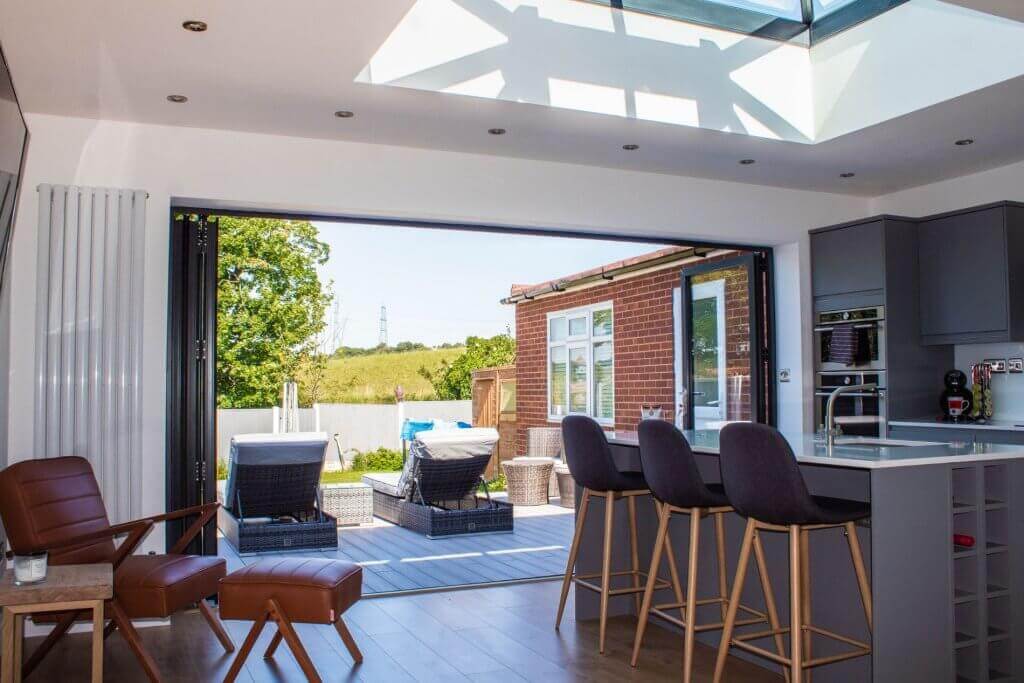
Quick recap on the difference between an orangery and a conservatory: An orangery is primarily a brick structure with glazing elements, whereas a conservatory is primarily a glazed structure.
In terms of planning permission, an orangery falls under the same category as a single-storey extension, which is classed as a permitted development. This means that you DON’T require planning permission if you adhere to certain rulings.
You ONLY require planning permission for an orangery if:
- More than 50% of the land around the original property is to be covered
- The extension is forward of the front of the original housing structure that faces onto the road
- The extension is higher than the highest point of the existing roof
- If the eaves and ridge heights are higher than what currently exists on the property
- The eaves height is more than 3 metres if within 2 metres of the property boundary
- An orangery built to the side is over 4 metres or wider than half the width of the original house size
- An orangery built to the rear extends beyond the rear of the original house by over 6 metres for a semi detached or terraced house or 8 metres for a detached house and is more than 4 metres in height
Please note that if your proposed orangery extension is between 4 and 8 metres to the rear of the property, then you must adhere to the Neighbourhood Consultation Scheme. Detailed plans must be provided to your local council, and they will inform any adjoining owners/occupants of your planned development (such as your neighbours).
They will be invited to raise any objections within a 21-day period. If there’s no opposition to your proposed work, you will be notified by your council, and work can begin.
Scenarios where you DON’T require planning permission for an orangery:
- The orangery won’t be larger than 50% of the area around the original house (which includes any outbuildings)
- It doesn’t extend more than 8 metres from the rear wall for a detached house and 6 metres for a semi-detached or terraced house. If the orangery extends more than 4 metres from the rear wall, the neighbourhood consultation scheme will come into play, and your local council must be informed before any building work can take place.
- The orangery won’t be more than 4 metres in height. If it is within 2 metres of the property boundary, it must be 3 metres or less in height.
- It won’t include balconies, verandas or raised platforms.
- The orangery is being built to the side of a house, and it isn’t wider than 50% of the original width of the property
Are There Any Exceptions to Permitted Development Rights For Orangeries?
Yes – there are, however, certain exceptions to the permitted development rights:
- Permitted developments do not apply to properties which are listed buildings, flats, maisonettes and on some new build developments: If you live in a listed building, you will have to seek listed building consent in order for your orangery to be built.
- Built before 1948: Any homes built prior to 1948 and homes within Scotland, Wales and Northern Ireland are not included in the permitted development rights for 2026.
- Homes situated on designated land: For these types of homes, including National Parks, Areas of Outstanding Natural Beauty, Conservation Areas and World Heritage Sites, planning permission will be required.
- Documented previous renovations: Finally, any previous renovations must be included within the volume allowances mentioned in the bullet-pointed lists above. Sometimes, a previous owner may have created additional space that you were unaware of, so it’s always best to double-check this.
Do You Need Building Regulations Approval For An Orangery?
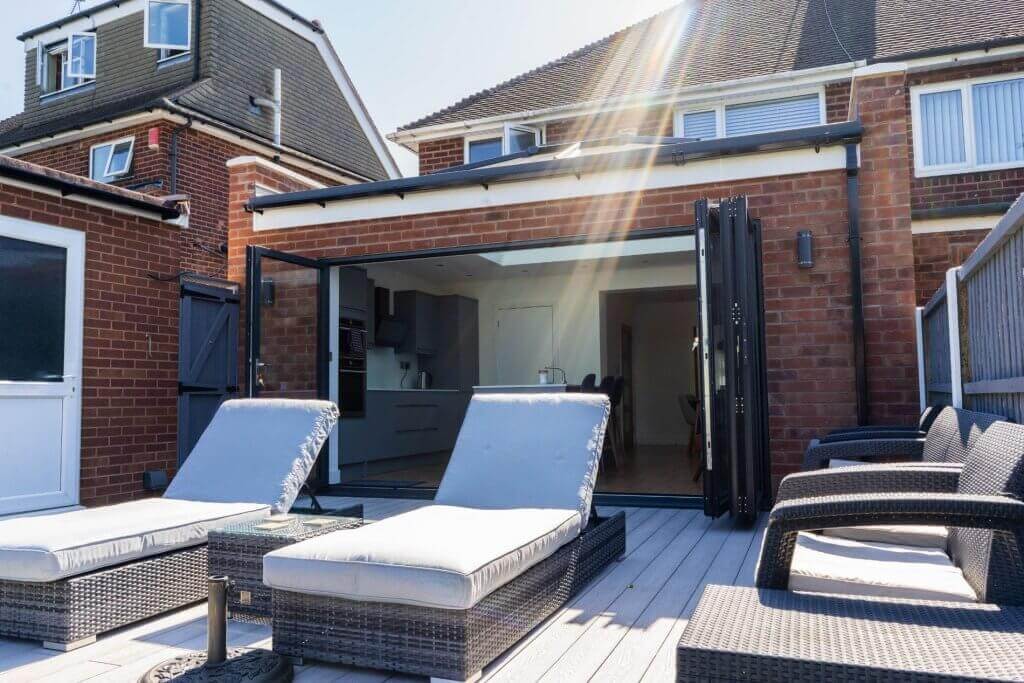
Whilst conservatories tend not to require building regulations approval (if they meet certain requirements), orangeries usually DO need approval.
This is because orangeries are normally part of an open-plan layout, whilst conservatories can be self-contained rooms.
For an orangery to be exempt from building regulations approval, it must adhere to the same guidelines as conservatories, meaning the orangery:
- Must not be more than 30 square metres of flooring area
- Is built at ground level only
- Has a roof which is 80% or more translucent
- Is no less than 1 metre away from any boundary
- Isn’t part of an open-plan layout, but is a self-contained room
- Has a heating system that is independent to the house with separate controls to switch it on and off
- Has a thermal barrier to separate the dwelling and the orangery e.g. a window or door?
- Windows and any fixed electrical installations must comply with the relevant building regulations
Why Do Open-Plan Orangeries Need Building Regulations?
The reason why open-plan conservatories and orangeries require building regulations approval is due to the new structural opening created. You must be able to prove that your proposed extension won’t result in your orangery or the rest of your home becoming less energy efficient.
Full structural drawings, which need to include heat-loss calculations, must be submitted to Building Control prior to any construction taking place.
It’s also advised that orangeries are built without restricting ladder access to windowed rooms of the upstairs or loft converted sections of your home. Your plans will be assessed and either approved or denied.
How To Apply For Orangery Planning Permission or Orangery Buildings Regulations Approval
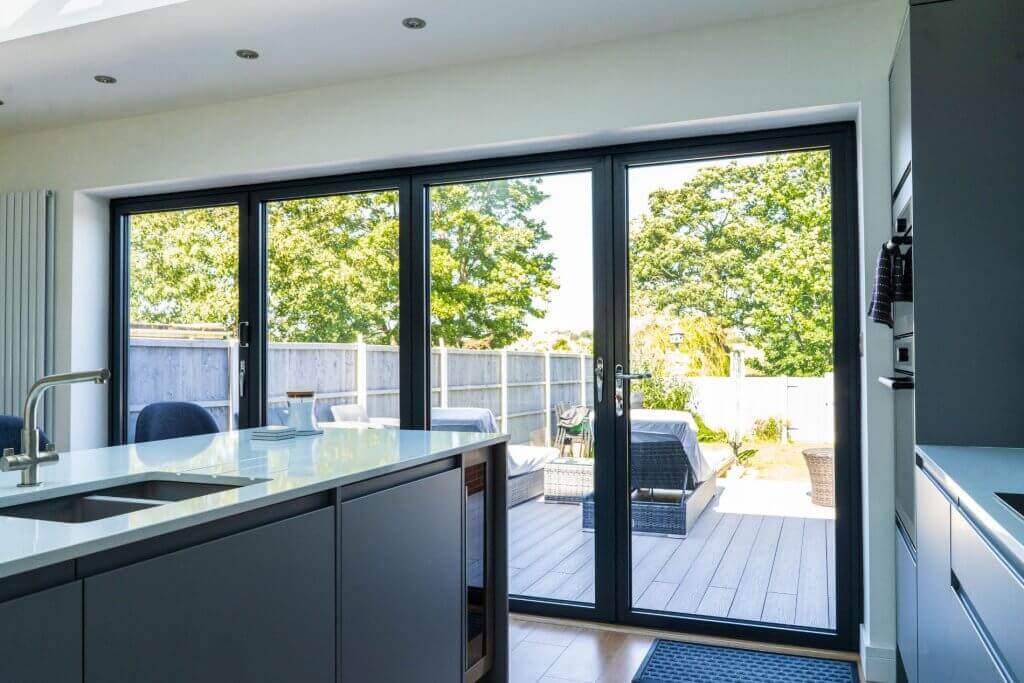
At WMDG, our fantastic team of architects can take care of absolutely everything when it comes to planning permission or building regulations applications. We can create all of the required plans & drawings whilst also having all relevant forms ready to submit for approval.
We pride ourselves on being able to cater for every single one of our customers’ needs throughout the entire journey of their orangery project.
Over the decades, we’ve helped thousands of homeowners across Birmingham and the West Midlands build their dream orangery extensions. If you’re unsure about whether your extension will require planning permission or building regulations approval, be sure to contact our team today and take advantage of our years of experience!
Alternatively, if you decide to take care of the applications yourself, you can visit the government’s Planning Portal to get started.