
Is an Orangery Cheaper Than a Conservatory?
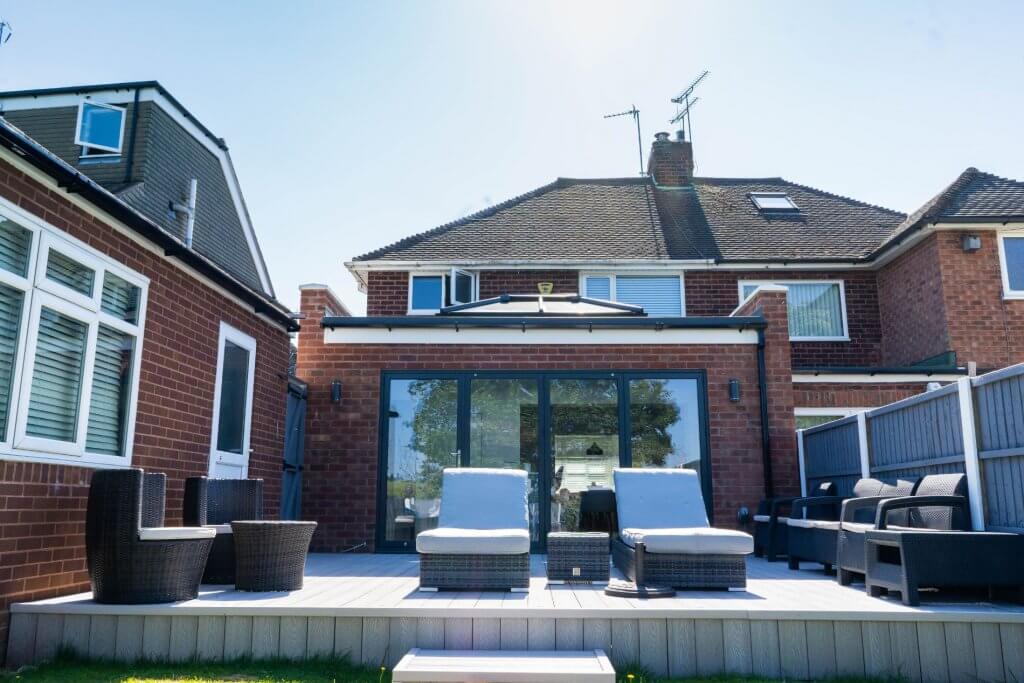
Yes – generally speaking, orangeries are more expensive than conservatories, but it depends on the nature of your project.
As orangeries are considered a premium, hybrid extension, this often results in higher material and construction costs, such as traditional brickwork and glazed roofing.
But that’s not always the case – you can certainly have a high-end, large conservatory with premium quality materials that could end up being more expensive than a smaller orangery.
Throughout this guide, we here at West Midlands Double Glazing & Conservatories will explain everything you need to know about orangery costs compared to conservatories, including what factors affect costs and help you decide which is the best option for your home and lifestyle.
What is an orangery?
While many will have heard of the term conservatory, orangery is one of those terms that you’ve probably only heard about if you’ve researched home improvements, have one yourself or know someone who does.
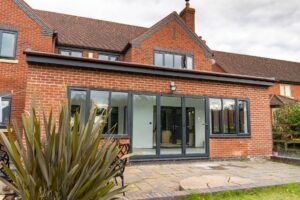
An orangery is a stylish home extension that combines the light-filled feel of a conservatory with the solid structure and comfort of a traditional extension. Modern orangeries are designed as practical living spaces that can be used year-round.
Unlike a conservatory, which is usually made up primarily of glass, an orangery typically features more brickwork, solid pillars and a partially glazed roof with a central roof lantern. This gives the space a more substantial and permanent appearance while still allowing plenty of natural light to flood in.
What’s The Difference Between an Orangery & a Conservatory?
While an orangery is similar to a conservatory, it has some distinctively different features, such as:
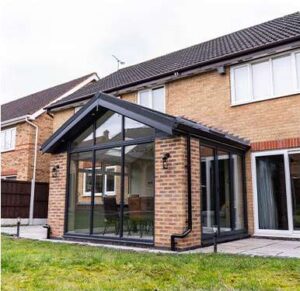
- Brickwork: Orangeries are typically more brickwork than glazing, giving them a solid, substantial feel. Conservatories, on the other hand, are usually made up of more than 50% glass.
- Roofing: One of the biggest differences, conservatories usually feature fully glazed roofs or polycarbonate roofing systems designed to maximise sunlight. Orangeries, however, often have a flat perimeter roof with a glazed roof lantern in the centre.
- Walls: Conservatories generally rely heavily on glass walls and slim framing systems, while orangeries incorporate solid walls, columns or pillars alongside windows and doors.
- Location of construction: While conservatories are often attached directly to the rear or side of a property, orangeries can sometimes be built as standalone garden structures that don’t necessarily need to connect directly to the home, although most still do.
Want to know more about the differences between the two? Learn everything you need to know about orangies vs conservatories from our detailed guide.
How Much Does an Orangery Cost?
The cost of an orangery can vary significantly depending on the size, materials and specification you choose.
For example, in the UK, the average cost of an orangery is around £25,000 to £45,000, with the average working out to be around £35,000, based on modern requirements.
But there are many factors to consider when it comes to pricing up orangeries. Learn everything you need to know about the orangery prices in the UK from our detailed guide, as well as our guide on how much conservatories cost in the UK.
Is an Orangery More Expensive Than a Conservatory?
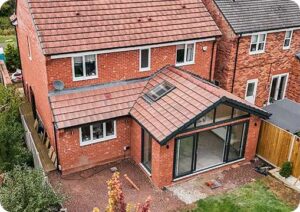
Mostly, yes – in many cases, an orangery will cost more than a conservatory because of the additional brickwork, structural elements and enhanced insulation involved in the build.
A conservatory is often quicker and simpler to construct, which can help reduce labour and material costs.
That said, not all conservatories are inexpensive, and not all orangeries are luxury builds. It depends on many factors, of which we’ll go into in the next section.
Factors That Affect Orangery & Conservatory Costs
Size
As with most home improvements, size has one of the biggest impacts on cost.
A larger orangery or conservatory will require more materials, more glazing, larger foundations and more labour. Even increasing the dimensions slightly can have a noticeable effect on the final price.
Location
Where you live and where the structure is being built can influence costs, too.
Labour prices can vary by region, and access to your property may affect the installation’s complexity. If builders need to work around limited access points or difficult ground conditions, additional preparation work may increase costs.
Planning permission requirements can also differ depending on the property type and location, particularly if you live in a conservation area or a listed building.
Roof Type
The roofing system you choose can dramatically affect both cost and performance.
Polycarbonate conservatory roofs are usually among the most affordable options, while tiled or solid roofs tend to cost more. Roof lanterns commonly used in orangeries can also increase costs, especially if you opt for bespoke designs or premium glazing.
However, investing in a better roof can improve insulation, reduce glare and help create a more comfortable living environment all year round.
Heating & Insulation
Heating systems, upgraded glazing and enhanced insulation can all increase upfront costs but may improve energy efficiency and comfort in the long run.
Many homeowners now choose energy-efficient glazing, underfloor heating or insulated roofing systems to make their orangery or conservatory feel like a true extension of the home.
Materials Used
The materials used throughout the build will also influence the overall cost.
uPVC frames are generally more affordable, while aluminium and timber options often sit at a higher price point. Similarly, premium glazing, bespoke finishes and decorative architectural details can all add to the final budget.
Orangery Vs Conservatory Cost FAQs
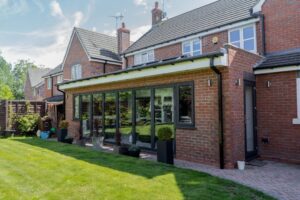
How Much Does an Orangery Extension Cost?
An orangery extension in the UK will typically cost between £20,000 and £50,000+, depending on its size, design complexity, materials and internal finishes.
If you’re adding features such as bi-fold doors, underfloor heating, bespoke roof lanterns or high-performance glazing, the cost may rise further.
Is an Orangery Cheaper Than an Extension?
In some cases, yes – a traditional brick-built extension often costs more because it usually requires more extensive structural work, roofing and internal finishing.
An orangery can sometimes provide a middle ground between a conservatory and a full extension by offering a more solid structure without the same level of construction involved in a fully built extension.
Which Adds More Value To Your Property – Orangery or Conservatory?
Both can add value to a property when designed and installed well, but orangeries are often perceived as adding more value because they feel more permanent and integrated into the home.
Potential buyers may see an orangery as an additional functional living space rather than a seasonal room.
That said, the quality of the installation matters enormously. A poorly insulated or outdated structure may not deliver the same return on investment as a thoughtfully designed space that complements the property.
What’s The Difference Between an Orangery & an Extension?
A traditional extension is usually built entirely from brick and designed to match the main property as closely as possible.
An orangery sits somewhere between a conservatory and an extension. It combines solid structural elements with large glazed sections and a partially glazed roof to create a bright but substantial living space.
For those who want more natural light than a standard extension can offer, but more comfort and insulation than a conservatory may provide, an orangery can often feel like the perfect compromise.
Are Orangeries More Energy Efficient Than Conservatories?
In many cases, yes, because orangeries are built with more solid walls, insulated roofing sections and substantial structural elements. This means they often retain heat more effectively than traditional conservatories.
Older conservatories with extensive glazing and polycarbonate roofs can sometimes struggle to regulate temperature, becoming too hot in summer and too cold in winter.
Modern conservatories have improved significantly thanks to advances in glazing technology and insulated roofing systems, but orangeries are still often considered the more energy-efficient option overall.
Ready to Build Your New Orangery?

Whether it’s a brand new orangery or an exciting conservatory, whatever your home improvement needs, West Midlands Double Glazing & Conservatories are here to deliver.
With over 150 positive Google reviews, we’ve built a reputation as one of the most reliable and customer-focused companies in the region. We also offer a variety of finance options, including buy-now-pay-later plans, and at the time of writing, we’re the only provider in the West Midlands to offer finance terms of up to 20 years on orangery projects.
Ready to start planning your new orangery? Get in touch with a member of our amazing team today to book in for your FREE orangery quote and consultation.